Hi,
My name is ChatBot, I am here to make your web experience with NHP amazing.
May I kindly have your first name?
What you know
about hypertension could save your life.
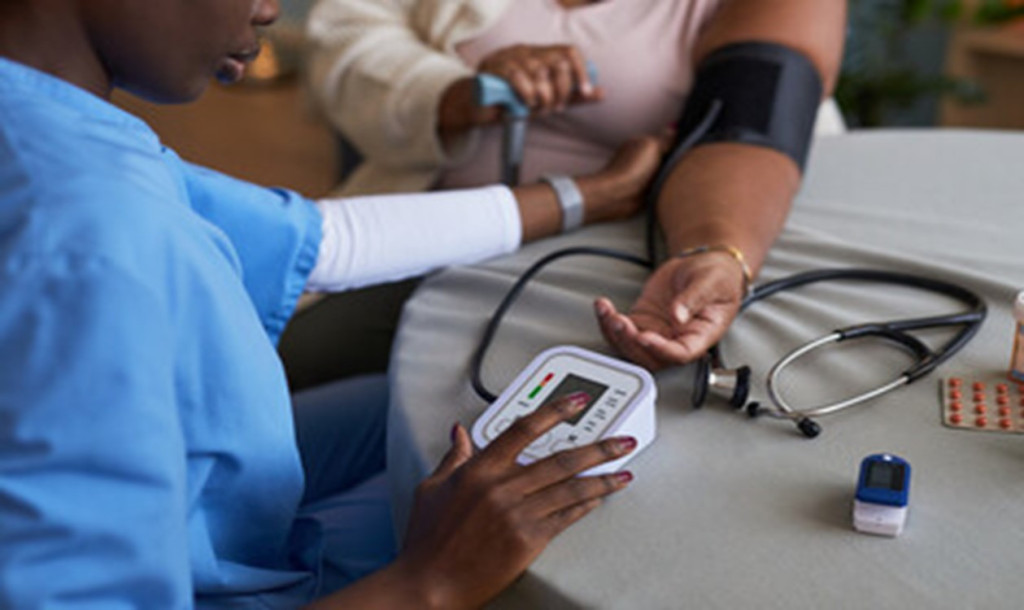
Hypertension, or high blood pressure, often goes unnoticed, earning it the nickname "the silent killer." This condition affects people of all ages and impacts a staggering 1.28 billion adults worldwide. While there's no cure, treatment through medication and lifestyle adjustments can significantly improve health outcomes. Around 700 million people with hypertension are not receiving the treatment they need. The World Health Organization reports that hypertension contributes to premature death in one in four men and one in five women globally, highlighting the critical importance of regular blood pressure checks.
What
is hypertension (high blood pressure)?
Simply put, blood pressure is the force of the blood flow against the walls of the blood vessels. When this force is above a certain threshold, blood pressure is high. Systolic pressure (the top number) reflects the force produced by the heart when it pumps blood out to the body, while diastolic blood pressure (the bottom number) is the pressure in your blood vessels when your heart is at rest.
How
is blood pressure measured?
A sphygmomanometer, or blood pressure monitor, is used to measure blood pressure. A reading below 120/80 mm Hg is considered within the healthy range. The American Heart Association classifies the following as high blood pressure:
Why
is hypertension a problem?
High
blood pressure can sometimes be accompanied by symptoms such as headaches,
vision problems, nausea, and vomiting. If left untreated, serious complications
can arise, including:
Making
lifestyle changes that matter
Several proven lifestyle changes can help
lower blood pressure in individuals with hypertension. These include adopting a
balanced, low-sodium diet; limiting alcohol consumption; engaging in regular
physical activity; managing stress effectively; maintaining a healthy weight;
quitting smoking; and adhering to prescribed medication regimens.
Select and download all application, registration and request forms as well as information on NHP’s designated service providers, tariffs and travel insurance.




These life stages aim to illustrate the thoughtful consideration given to the evolving healthcare needs of individuals at different points in their lives. By aligning medical aid benefits with these life stages, we ensure that our members receive targeted and effective healthcare support throughout their journey.

18-30 years young

31-45 years young

46-60 years young

61+ years young

 Asylum Design & Development